


Why Good Advertising Doesn't Always Lead to More Sales
Imagine this: your advertising campaign is working. People are clicking on your ads, visiting your website, sending you messages on Instagram, and showing interest in your products.
The leads are coming in, and everything looks great in your advertising dashboard.

But your sales AREN'T GROWING! So what's going wrong?
The problem might not be your advertising. It could be what happens after someone shows interest in your business.
The Hidden Gap Between Marketing and Sales
Businesses often spend significant time and money attracting potential customers. They optimize ads, test different creatives, refine their targeting, and track conversions.
But getting someone's attention is only the first step.

A potential customer might send you a message on Instagram, ask a question on WhatsApp, or fill out a form on your website.
What happens next? Maybe they get an immediate response. Maybe their message goes unanswered for hours. Or perhaps they receive an answer, but the business never follows up with them.
These small gaps in communication can turn interested prospects into missed opportunities. And the more communication channels a business uses, the harder it becomes to manage every conversation manually.
5 Reasons Businesses Lose Customers After Generating Leads

1. Slow Response Times
When someone reaches out to your business, they're already interested.
But that interest won't necessarily last forever.
If a potential customer has to wait hours for a response, they might start exploring other options, contact a competitor, or simply forget about their original inquiry.
A quick response doesn't guarantee a sale, but unnecessary delays increase the risk of losing a customer.
2. Conversations Are Scattered Across Multiple Platforms
Instagram DMs, WhatsApp conversations, website forms, emails...
Every channel is another place where a potential customer might be waiting for a response.
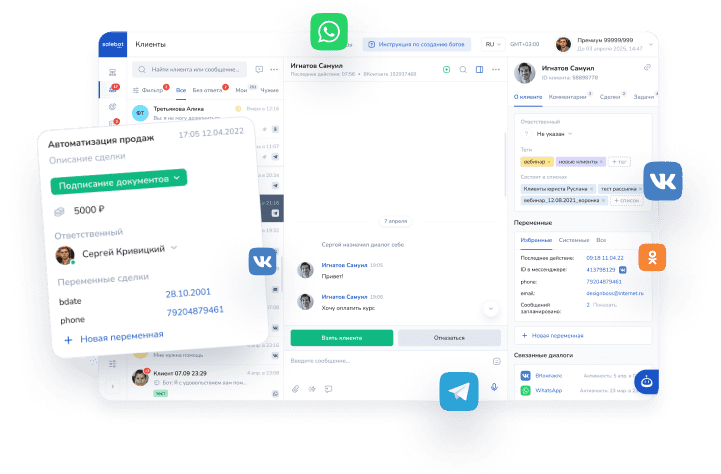
Without a centralized system, it's easy to miss messages, lose important details, or accidentally contact the same person twice.
3. Nobody Follows Up
Not every customer is ready to buy right away.
Some need more information. Others want to compare options, discuss pricing, or take some time to make a decision.
But when a conversation ends without a purchase, many businesses simply move on to the next lead.
The potential customer is still there, and they might still be interested.
But nobody follows up.
4. Every Customer Gets the Same Response
Someone asking about pricing has different needs from someone requesting a product demonstration.
Yet businesses often send the same generic messages to everyone.
For communication to be genuinely helpful, businesses need to understand what each customer wants and respond to their specific needs.
5. Businesses Don't Know Where They're Losing Leads
Advertising platforms show clicks, impressions, and campaign performance.
But they don't always reveal what happened during each customer conversation after someone clicked on an ad.
Did the customer get a response? Were they interested in buying? Did anyone follow up? Why did the conversation stop?
Without this information, businesses may keep spending money on advertising while overlooking problems in their sales process.
Spending More on Advertising Isn't Always the Answer
When sales slow down, the first instinct is often to increase the advertising budget.

But generating more leads won't necessarily fix problems in how your business handles customer inquiries.
Imagine bringing 100 new potential customers into a system where messages are regularly missed and follow-ups are forgotten.
Bringing in another 100 leads won't solve the underlying problem. Instead, businesses need to understand what happens between a customer's first message and their final purchase.
This is where AI agents, CRM systems, and automated workflows can help.
How AI Helps Businesses Stop Losing Potential Customers

Artificial intelligence is often associated with writing content, generating images, or answering questions.
But its potential for business goes far beyond that.
When AI agents are connected to real business processes, they can help manage customer communication and handle repetitive tasks.
For example, a business can create a workflow where:
- A potential customer sends a message on Instagram.
- An AI agent answers frequently asked questions.
- The customer's information is saved in a CRM.
- The system automatically sends a follow-up message when needed.
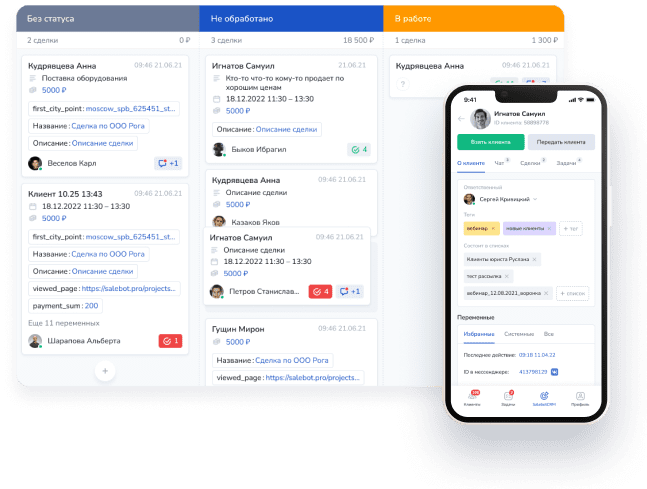
- The business can track the customer's progress through the sales funnel.
Instead of relying on employees to remember every step, an automated workflow helps keep customer communication organized.
Employees can then focus on conversations that require personal attention, complex decisions, or negotiations.
From Disconnected Tools to Connected Processes

Many businesses already use several digital tools.
They have a CRM, an email marketing platform, social media accounts, and perhaps even an AI chatbot.
But having all these tools doesn't necessarily mean the business is automated.
The real value comes when these systems start working together.
A customer interaction should trigger the next necessary action without someone having to manually transfer information from one platform to another.
This is the idea behind Mavibot.
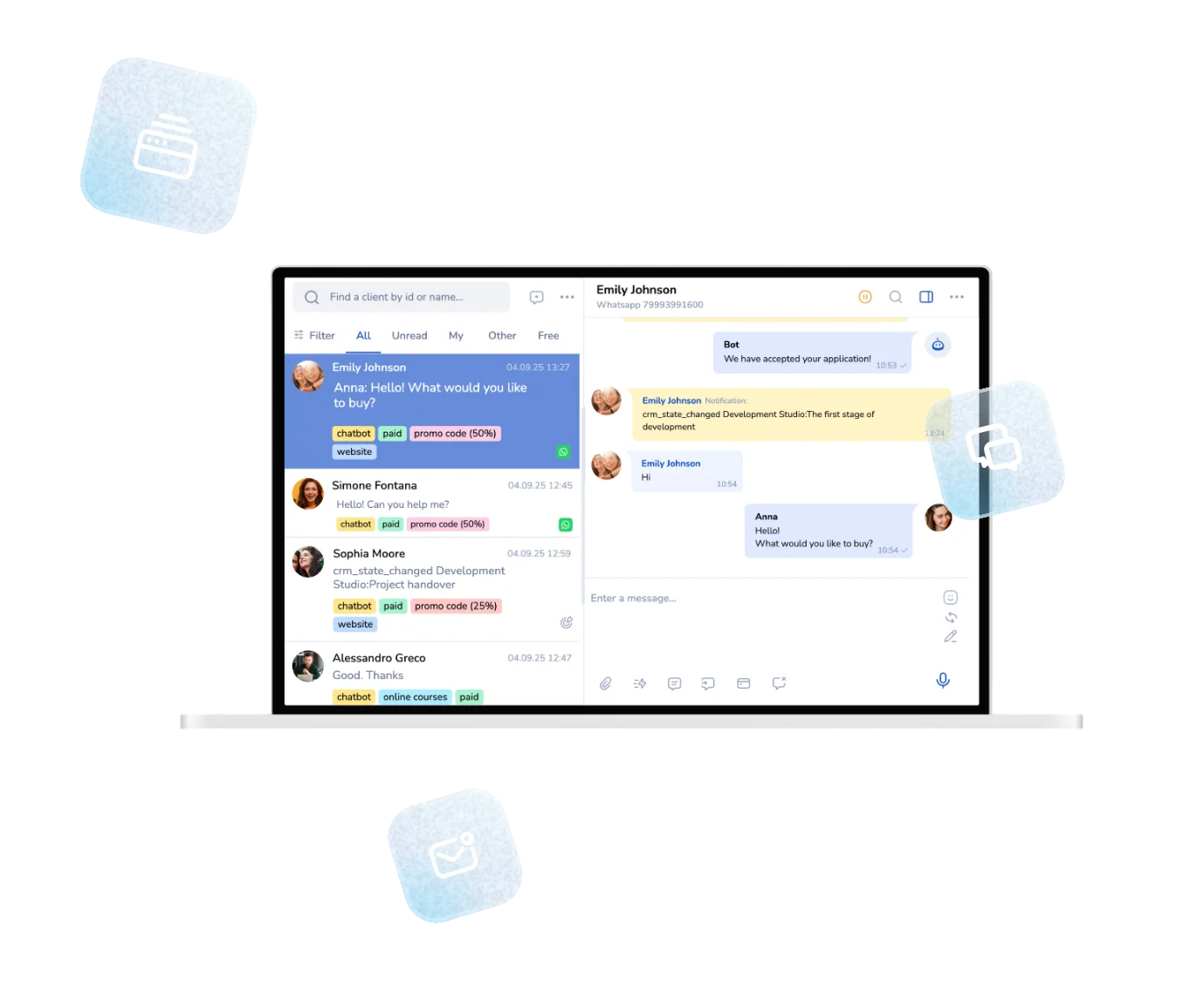
Mavibot is an AI-powered business automation platform that brings together AI agents, CRM, automated workflows, email funnels, website creation, and integrations with communication channels.
Rather than using AI as a standalone tool for generating content, Mavibot helps businesses integrate artificial intelligence into their actual business processes.
The goal is simple: reduce repetitive work, improve customer communication, and make it easier to manage the entire customer journey, from the first inquiry to the final sale.
Before Spending More on Advertising, Ask Yourself These Questions

- How quickly does your business respond to new inquiries?
- Can you view customer conversations and information in one place?
- What happens when an interested customer doesn't buy right away?
- Does your business consistently follow up with potential customers?
- Do you know at which stage potential customers stop moving toward a purchase?
If you can't confidently answer these questions, improving your customer communication process might be just as important as optimizing your next advertising campaign.
Final Thoughts
Generating more leads is important, but what happens after those leads come in matters just as much.
Businesses don't always need to spend more on advertising, hire additional employees, or add even more disconnected tools.
Sometimes, what they really need is a more effective system that helps turn existing interest into meaningful customer relationships.
Because generating a lead is only the beginning. What you do next determines the outcome.
Learn more about AI agents and business automation at Mavibot.